Why Do Game Rooms and Hobby Spaces Matter in Independent Living?
Game rooms and hobby spaces matter in independent living because they give residents easy places to relax, socialize, stay mentally active, and enjoy daily life outside their apartments. These spaces help make retirement feel more connected and less isolated without forcing anyone into nonstop activities.
A good independent living lifestyle should still have room for fun. Not forced fun. Not stiff calendar-filler activities. Real fun. The kind that lets you laugh, compete a little, try something new, and feel like your day has more shape to it.
How Do Game Rooms Support Social Connection?
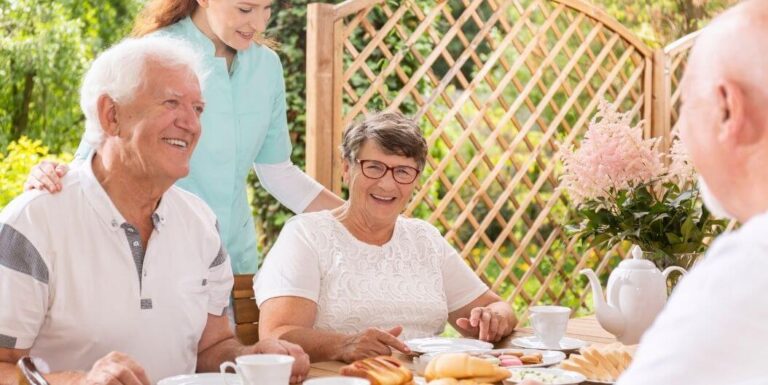
Game rooms support social connection by giving residents a relaxed place to gather, talk, laugh, and enjoy friendly competition.
That matters because not every social moment needs to feel like a formal event. Nobody wants to sit in a room where everyone smiles politely and waits for the awkward silence to crawl across the table. Game rooms help break that tension fast.
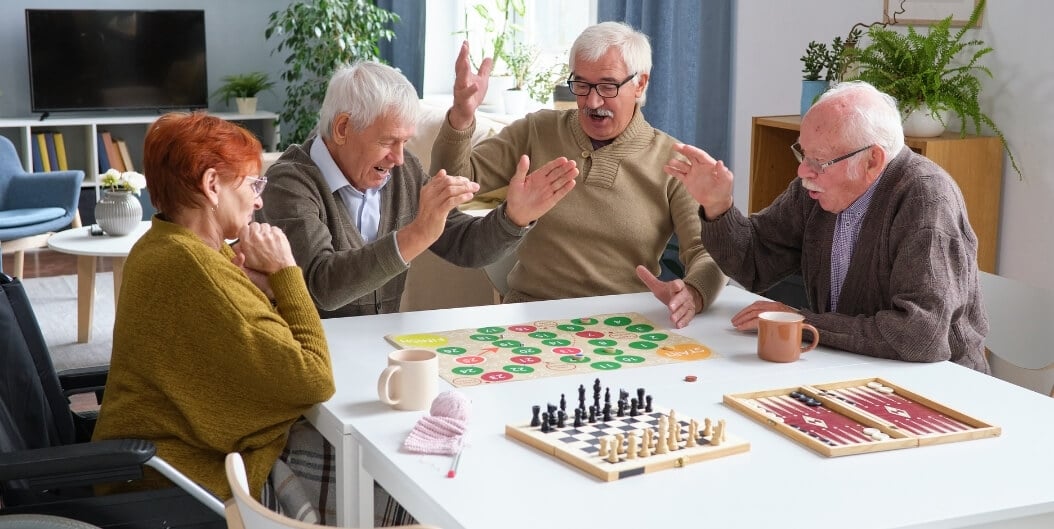
A card game, a board game, some puzzles or a quick game of pool gives you an activity to focus on while conversation develops naturally. You aren’t simply sitting there looking at one another, attempting to think up some small talk. You’re playing, responding, joking, probably losing badly & laughing about it.
This type of relaxed interaction allows for friendships to develop without having to make socializing seem like work. That’s the absolute best way to connect with others. Relaxed. Easy going. Fun.
Why Do Hobby Spaces Help Residents Stay Engaged?
Hobby spaces help residents stay engaged by giving them room to keep old interests alive and try new ones without needing to plan everything alone.
Retirement should not feel like sitting around watching the same day repeat itself. That brings boredom fast. A hobby room can help add some variety to your week. Some things to work on. Some things to complete. Some things to tell others about.
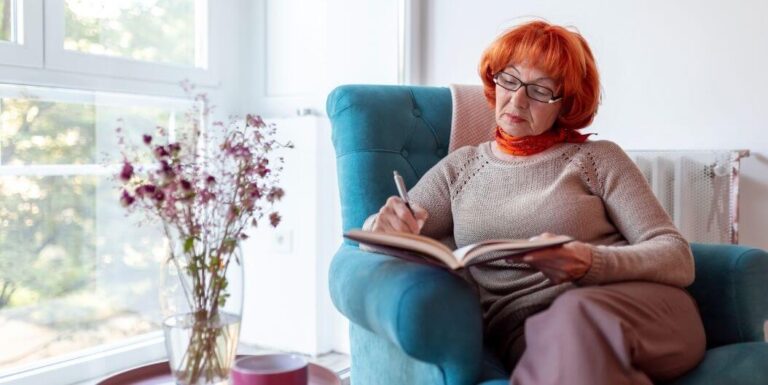
Maybe one of your pastimes was crafts, reading books, working on puzzles, creating art or other things, listening to or playing music, board games or group activities. You may already know which ones you enjoy most. Or maybe you still need to figure this out. In either case, having a designated area for these hobbies will make showing up and starting them easier.
And that starting point matters. Sometimes the hardest part is not the hobby itself. It is dragging yourself out of a dull routine before it starts feeling normal. Hobby spaces can help with that. They keep the door open for curiosity, and curiosity is one thing retirement should not lose.
How Can Shared Spaces Make Daily Life Feel Less Isolated?
Shared spaces make daily life feel less isolated by creating natural chances to see people, join conversations, and feel part of the community.
Too many quiet days in a row can make life feel smaller than it should. It sneaks up. One day you skip an activity. Then another. Soon, the apartment feels like the whole world, and that is a pretty tight box to live in.
Shared spaces help push against that.
A lounge, library, activity room, game room, or community room gives you somewhere to go without making a huge production out of it. You can sit. Read. Watch a game. Join a puzzle. Say hello to someone nearby. Leave when you want.
That freedom is important. You are not trapped in your apartment, but you are not being dragged into a loud event either. There is a middle ground. Sometimes that middle ground is exactly where connection starts.
Why Is Friendly Competition Good for Seniors?
Friendly competition is good for seniors because it keeps activities fun, mentally engaging, and socially lively.
A little competition can wake up the room fast. In the best way. Card games, board games, trivia, billiards, dominoes, puzzles, and simple group games all bring out energy that can stay hidden during quieter parts of the day.
And yes, people can get surprisingly serious over a game. That is part of the fun. Someone keeps score like it is a championship. Someone insists they were “just warming up.” Someone else acts calm while clearly planning revenge in the next round.
That playful edge keeps the day from feeling flat.
Friendly competition also gives residents something to look forward to. A regular game night or hobby group can become part of the week’s rhythm. The room feels alive. People tease each other. They remember who plays well. They notice who missed the last game.
That is community, not just entertainment.
How Do Hobby Spaces Support Mental Stimulation?
Hobby spaces support mental stimulation by giving residents activities that involve focus, memory, creativity, planning, and problem-solving.
Nobody gets excited about “brain exercise” when it sounds like a worksheet. That phrase alone can make the whole thing feel dull. But a good hobby or game can sneak in mental activity without making it feel like homework.
Puzzles require patience. Card games require focus. Crafts involve planning. Reading keeps the mind moving. Strategy games make you think ahead, even when you pretend you are just playing for fun.
That kind of mental engagement matters because routine can become a little too comfortable. Same chair. Same show. Same schedule. Same everything. After a while, the brain starts asking for something with a bit more bite.
Hobby spaces give you that without pressure. You can choose what interests you and skip what does not. That choice makes the activity feel better from the start.
How Can Game Rooms and Hobby Spaces Help Build Routine?
Game rooms and hobby spaces help build routine by giving residents regular places to go and activities to look forward to during the week.
A week with nothing to look forward to can feel painfully slow. It drags. It gets heavy. It makes even small things feel less exciting than they should.
Regular activities can change that. Maybe it is a weekly card game. Maybe it is a puzzle table you check every morning. Maybe it is a hobby group, a game room meetup, or a quiet reading habit in the library.
These routines do not need to be dramatic. They just need to give the week a little shape. That shape matters more than people think.
Without routine, days can blur together. With routine, you get anchors. Familiar faces. Familiar places. A reason to get out of the apartment before the day slips away.
And sometimes, that is all it takes to make life feel more active again.
What Should You Look for in Game Rooms and Hobby Spaces?
You should look for spaces that feel comfortable, welcoming, easy to access, and suited to the kinds of activities you actually enjoy.
Do not just ask whether a community has shared spaces. Ask whether those spaces feel usable. There is a difference. A room can look nice in photos and still feel stiff, empty, or awkward in person.
When comparing independent living communities, pay attention to:
- Game rooms, activity rooms, libraries, lounges, and community areas
- Spaces for both quiet hobbies and social activities
- Activities that match your personality, energy level, and interests
That last point matters. If you like quiet hobbies, you should not feel pushed into loud events all the time. If you like social games, you should have places where the room actually feels alive.
The best spaces give you options. Not pressure. Not boredom dressed up as programming. Real options.
Ready to Discover How Game Rooms and Hobby Spaces Can Enrich Your Day? Visit Asher Point Independent Living of Mobile
At Asher Point Independent Living of Mobile, residents can enjoy a welcoming lifestyle with shared spaces such as a game room, activity room, library, lounge areas, community spaces, gardens and walking paths, and other places designed for connection, creativity, and relaxation.
Residents can also enjoy social opportunities, homestyle cooking, wellness-focused activities, scheduled transportation, housekeeping, maintenance, and helpful services that make daily life feel easier without taking away personal choice.
Schedule a tour of Asher Point Independent Living of Mobile to see how the right independent living community can help you enjoy more connection, more activity, and more freedom in your everyday routine.